How the Five Compare on the Numbers
A tortilla press is two plates and a lever, so the material is most of the product. These five give five different answers: 304 stainless steel, unnamed stainless steel, stainless steel with a cast iron structure, cast aluminum and food grade plastic. Only one of those five names an alloy, and one of them contradicts its own title.
The second figure to read is weight, because mass is what presses dough. Three of the five publish a weight field: 9.5 lb, 0.7 lb and 0.3 lb. Two publish nothing. And two of the three that do publish a different number in a bullet, which makes weight the least settled specification on the page.
What the table cannot show is the one thing every buyer of a steel press wants to know, which is whether it rusts. Not one listing in this pool publishes a corrosion test, a coating, or an instruction for drying the plates. The two cast iron presses elsewhere in this pool at least publish a seasoning oil. The steel presses publish a word and leave it there.
What the Maker Actually Names the Press As
One Listing Gives a Grade, and It Is 304
Ematik publishes what everything else omits: the alloy. Its bullets read all stainless steel heavy duty construction, then manufactured with 304 stainless steel, then 100 percent food grade. It pairs that with a real measurement of the working surface, 10 by 9.75 inches, rather than a nominal diameter, and a claim that the plate is perfectly leveled.
That combination is why it leads this page. A named alloy and a measured plate are two claims a buyer can hold the product against. The listing is also the plainest about who it is for, naming restaurants, and the 9.5 lb in its weight field is consistent with a press built for a line rather than a drawer.
One Press Sold as Stainless Names Cast Iron Too
VESKINA is titled a 7 Inch Stainless Steel Tortilla Press. Its first bullet reads: built with reinforced stainless steel and durable cast iron structure. Both materials, in one sentence, on a product whose title names only one of them. For a buyer specifically avoiding cast iron, that is the sentence the purchase turns on.
The weight makes it stranger. The field reads 0.7 lb against fields of 7.1 by 7.1 by 4.1 inches and a heavy duty claim in the title. A reinforced steel press with a cast iron structure at that size does not weigh 0.7 lb. One of those figures is not this product, and the listing gives no way to tell which.
What Choosing Against Iron Buys and Costs
No Seasoning, No Rust, and Two Makers Say So
Auxillerron makes the case most directly. Its bullet states 5.4 oz, a fraction of cast iron models, and then lists what that removes: zero seasoning, no oiling, no rust worries. Imusa makes a quieter version of the same argument, naming cast aluminum with a gray surface and stating it is lighter than traditional cast iron for more comfortable operation.
Neither of them is wrong. A cast iron press in this pool arrives seasoned with flaxseed oil and stays a maintenance item for its whole life. Aluminum and plastic simply are not, and on a tool used a few times a month that is a real saving. The three steel presses sit in between and none of them discusses drying.
The Force Has to Come From Somewhere
A press works on leverage and mass, and mass is exactly what these materials give up. Ematik answers it with 9.5 lb of steel and a claim of a round tortilla in one press. SELERS answers it by arguing its steel is harder and stronger than cast iron, though it publishes neither a grade nor a weight to stand behind that.
Imusa and Auxillerron accept the loss. Imusa names an easy lever and comfortable handling and publishes no weight at all, which is awkward on the one listing whose selling point is being lighter. Auxillerron publishes a stated 5.4 oz and shifts the work to the user’s arm, which for corn masa is a genuine difference in effort.
Where the Published Weights Contradict the Bullets
Ten Pounds in the Bullet, 9.5 in the Field
Ematik’s final bullet states that the press measures 10 by 9.75 inches and weights 10Lb. Its weight field reads 9.5 lb. Half a pound on a press this size changes nothing in the kitchen, and it does show that the two numbers came from different places and nobody reconciled them.
This page quotes both and leans on neither. The surface measurement in that same bullet is the more valuable half of it, because 10 by 9.75 inches is an actual plate rather than the 10 inch label in the title. No other listing on this page measures its working surface at all.
5.4 Ounces Stated Against 0.3 lb Published
Auxillerron has the same problem at the other end of the scale. Its bullet states 5.4 oz and its weight field reads 0.3 lb. Those are not the same figure, and on a press whose entire argument is how little it weighs, the gap matters more than Ematik’s half pound does.
The bullet is the better source here, on the principle that runs through this whole page: where a maker writes a number into a sentence, it usually meant that number. The field is a slot that gets filled. Both figures are printed above as published, and the 7.68 inch footprint from the same bullet is the one to measure a drawer against.
Which One Fits Your Kitchen
A cook who wants the alloy on the label. Ematik names 304 stainless steel, states 100 percent food grade, and measures its plate at 10 by 9.75 inches. At 9.5 lb in the field it stays where you put it, and no cleaning instruction is published.
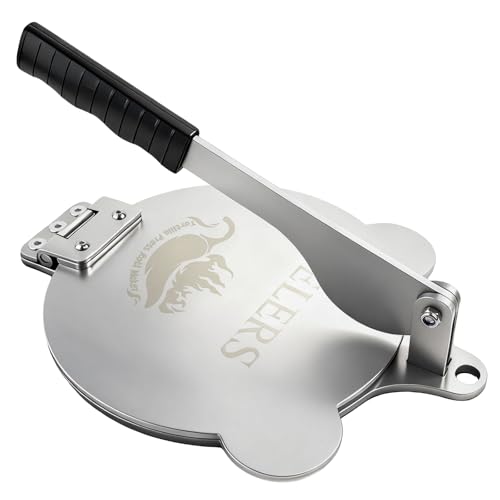
Anyone who wants to choose the crust thickness. SELERS ships 2mm, 4mm and 6mm spacers that swap at the hinge, an 8.5 inch stainless plate that detaches for cleaning, and raised ears so the plate lifts without pinching. It publishes no weight.
A buyer who reads past the title. VESKINA offers a 7 inch press at fields of 7.1 by 7.1 by 4.1 inches with a wipe-clean surface, and its own first bullet names a cast iron structure alongside the steel. Buy it knowing that.
Someone who wants metal without iron or steel. Imusa publishes an 8 inch cast aluminum press with an easy lever, stated lighter than traditional cast iron. Its fields read 8.07 by 9.84 by 5.91 inches, and no weight is published to confirm the claim.
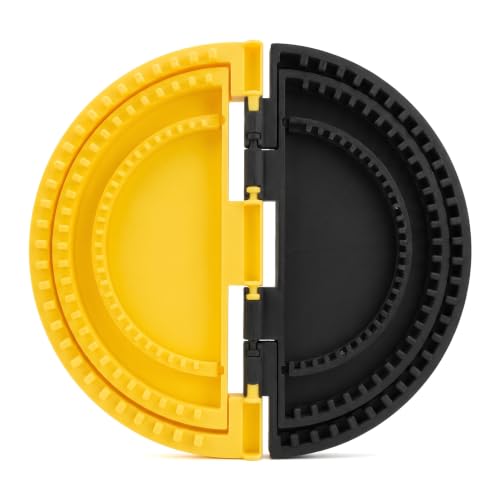
A kitchen with a drawer and no maintenance patience. Auxillerron gives three nested ring sizes in food grade plastic at a stated 5.4 oz, with no seasoning and no rust to watch. Expect to supply the pressing force yourself.
What We Could Not Verify
Everything above comes from the makers’ own published text. These are the things that text does not contain.
- The weight of the SELERS and Imusa presses. Neither publishes one, and Imusa’s central claim is about being lighter.
- The grade of the VESKINA steel, or of the cast iron its own bullet names beside it.
- The ring diameters on the Auxillerron three in one press. Three sizes are named and none is measured.
- Whether any part of any of these five may go in a dishwasher. No listing in this pool addresses it.
- Which weight figure is real on two of these listings, given 10Lb against 9.5 lb and 5.4 oz against 0.3 lb.
- Whether any of the three steel presses needs drying to stay corrosion free. None publishes a word about it.