How the Five Compare on the Numbers
Easy clean is the most common claim in this category and the least often explained. All twelve listings in this pool carry an easy to clean phrase or a close variant, and most of them stop there. So the question this page asks is narrower: what method does the maker actually name, and does it attach anything checkable to it.
On that test the five below separate sharply. One puts a figure on the time saved. One names a dishwasher rack rather than just the dishwasher. One ships a tool for getting the mat off a tray. One says no oil or spray is needed and never names a wash at all. One offers two alternatives and claims nothing sticks in the first place.
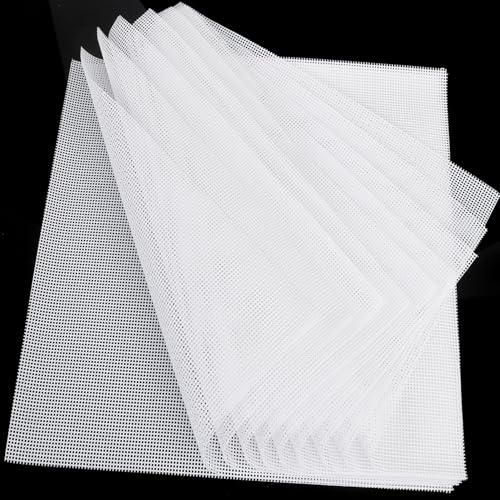
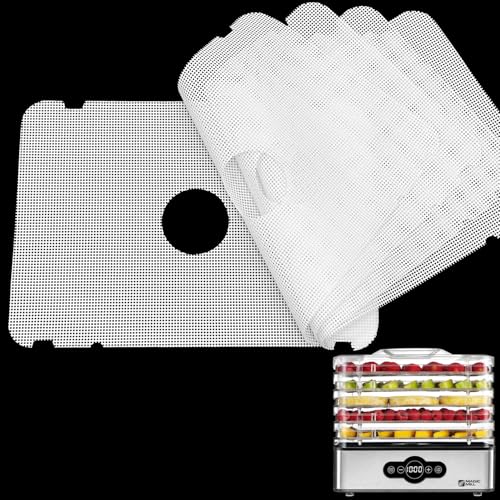
What the table cannot tell you is whether a mesh sheet and a lipped tray are the same cleaning job. They are not. A lip holds the juice that would otherwise run into the machine, and then the lip is the part you have to get clean. A mesh sheet lets the juice through and transfers the problem to the tray underneath. Two of these five are lipped and three are mesh, and the listings never acknowledge the difference.
What a Maker Will Put a Number On
The Only Quantified Cleanup Claim Here
Kispog’s second bullet is headed save 60 minutes on cleanup, and the sentences under it explain the mechanism: a high-release silicone coating makes the mats 100 percent non-stick, so meat oils and fruit sugars slide off without aggressive scrubbing, and the mats are fully dishwasher safe for maintenance after heavy batches. That is a figure, a mechanism and a named soil in one bullet, which nothing else on this page offers.
The figure is the maker’s own and this page reports it as published rather than endorsing it. What a reader can check is narrower and still useful: the soils named are the two that actually cause the problem on a dehydrator, and the dishwasher claim carries the word fully rather than a rack or a cycle. The same listing also rules the oven out entirely, which is the one heat route to a clean mat.
A Rack Is More Information Than a Dishwasher
Jalowin is the only pick that names which part of the machine to use: clean with warm soapy water or top rack dishwasher, in a bullet that opens with food debris rinses off easily. Naming the top rack matters on a flexible sheet, because the bottom rack is where the heating element is and a thin sheet is what moves in the spray. One line, two routes, and the only rack instruction on this page.
It is also the only pick that publishes a thickness to go with it, stated at 0.8mm on a sheet of 21.6 x 13.7 inches, and says the sheet can be trimmed to any custom size. A thinner sheet is easier to fold into a machine and easier to lose in one. The listing claims thousands of uses and attaches no number to that, which is the opposite of what it did with the rack.
Prevention, and the Tool for When It Fails
The Only Scraper in the Pool
plaCredgai is the only listing of the twelve that ships a tool. Its package bullet lists eight silicone dehydrator trays, one silicone scraper and one cutter wheel, and the scraper is described as gently lifting the mats without damaging them. That is a cleaning tool in the most literal sense, because tearing a mat while prising dried fruit leather off it is how these sheets actually die.
Its washing instruction is the most limited of the four published here: quick and easy cleanup with just warm water and mild soap, with no dishwasher named anywhere in the listing. The raised edges are the other half of its answer, stated to prevent spills and keep juices from dripping, which keeps the machine clean rather than the mat. Its dimension fields repeat 14.0 into all three slots while its own words say 14 x 14 inches.
The Listing That Never Names a Wash
Generic takes the prevention route and stops there. Its material bullet states that no oil or spray is required and that the pads are easy to clean and reusable, and its first bullet states that the raised lip keeps liquid moisture in and keeps the kitchen and machine neat and tidy. Nowhere in the listing is a washing method, a water temperature, a soap or a dishwasher named.
That is a real gap on a lipped tray, because the lip is the part that holds the residue. The same listing publishes a full set of dimension fields that agree with its own words, 13.5 by 13.5 by 0.1 inches against a stated 13.5 x 13.5 inches, and its 2.5 lb weight field covers six trays. It also repeats the warning that silicone is too soft to use without a hard tray underneath.
Two Routes, or a Claim That Nothing Sticks
Alternatives Instead of an Instruction
GUCUJI offers two options rather than one method: cleanup is described as simply rinsing with warm soapy water or wiping clean for reuse. The listing names the soils that matter, sticky fruits and savory jerky, and then states flatly that the food will not stick to the mat at all and stays intact without crumbling when gathered.
It backs that with the only durability figure here, over 5,000 uses, which is the number a cleaning page cares about: a mat that survives repeated washing is the whole proposition. Against that, it publishes no size sentence at all, leaving an 11 INCH entry in a size slot, and its 0.25 lb weight field is the lowest published on this page across five mesh sheets.
Where These Listings Agree, and Why That Is Not Helpful
All five claim a non-stick surface and all five claim to be easy to clean. The phrase is doing no work, because it appears on the listing that supplies a scraper and on the listing that names no wash at all. What separates them is whether a method follows it, and only four of these five publish one.
The other seven listings in this pool were left out of these five for the same reason. Several of them, including Aulock, DOSTK, Domensi and Limbeuuu, say easy to clean or easy to wash and then name no water, no soap, no machine and no tool. COKUMA and Afcabakila do name a dishwasher and were close calls; Bright Kitchen names a dishwasher and the word washable, and no method.
Which One Fits Your Kitchen
You dry meat and want it in the machine. Kispog. Fully dishwasher safe, 100 percent non-stick credited to a coating, meat oils and fruit sugars named, and the maker’s own claim of 60 minutes saved on cleanup. Note the oven is ruled out.
You want to be told where in the dishwasher. Jalowin, the only pick naming the top rack, with warm soapy water as the alternative, on a sheet stated at 21.6 x 13.7 inches with a 0.8mm thickness.
Fruit leather keeps tearing your mats. plaCredgai. The only purchase here with a scraper, described as lifting the mats without damaging them, plus a cutter wheel, washed in warm water with mild soap.
You would rather not wash them at all. Generic, which states no oil or spray is required and that the lip keeps the kitchen and machine tidy. Accept that no washing method is published anywhere in the listing.
You wash them constantly and want them to last. GUCUJI. Rinse or wipe, over 5,000 uses claimed, sticky fruits and jerky named, and a stated claim that food will not stick at all. It publishes no size sentence.
What We Could Not Verify
These are the specifications we went looking for in all five listings and did not find.
- Any washing method from Generic, which names no water, no soap, no machine and no tool.
- What Kispog’s 60 minute figure is measured against, since no comparison or batch size is given.
- Whether plaCredgai’s mats may go in a dishwasher, which the listing never addresses either way.
- A dishwasher rack from Kispog, which says fully dishwasher safe and names no rack or cycle.
- Whether GUCUJI’s 5,000 use figure assumes washing between uses, which the listing does not say.
- Any guidance from any of the five on cleaning the raised lip itself, which is where residue collects.